
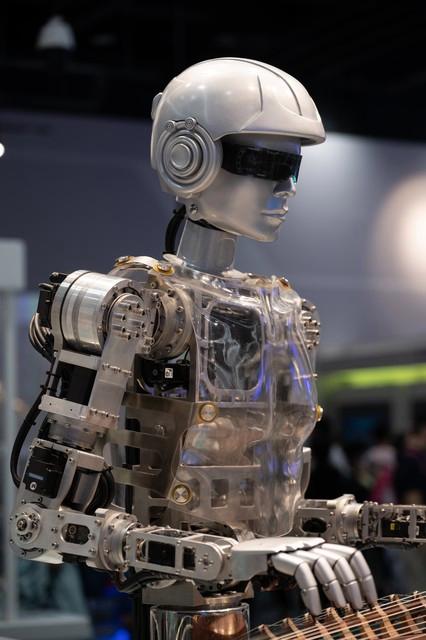
A robotic joint module is a standardized mechanical unit that integrates key subsystems—including motors, reducers, encoders, controllers/drivers, and structural components—into a compact assembly. Designed to output rotational or linear motion, it drives robotic limbs while enabling closed-loop control and intelligent communication. As the fundamental functional unit for robotic motion control, it delivers precision and efficiency in demanding applications.
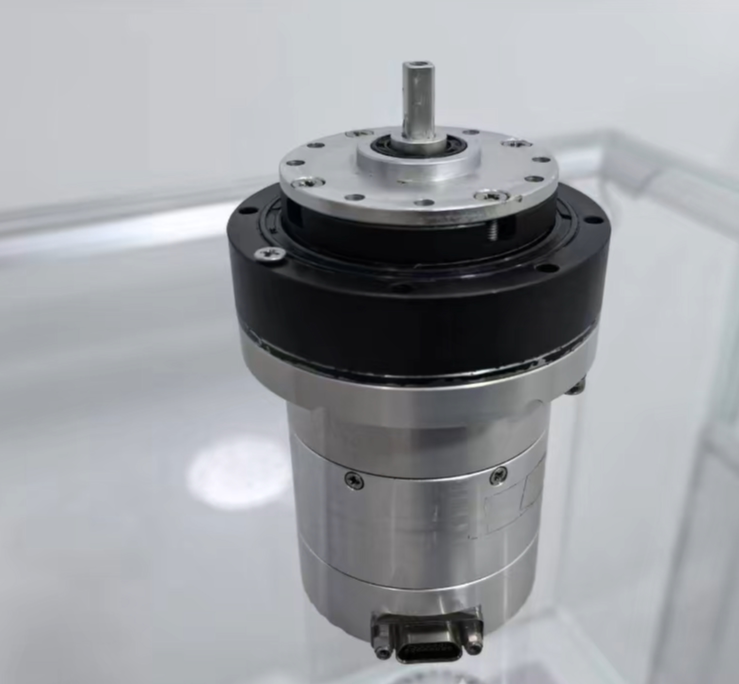 |  |
Core Components of a Standard Robotic Joint Module:
1. Motor (Power Source)
The motor serves as the primary actuator, converting electrical energy into mechanical motion (rotational/linear). Common motor types include:
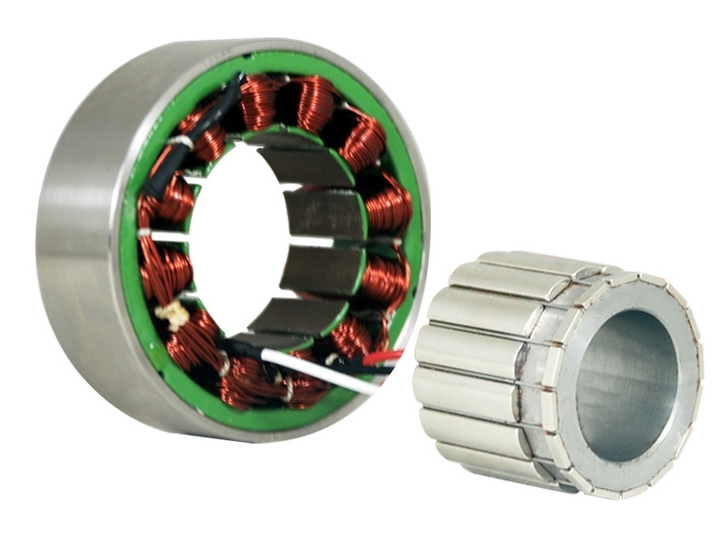
- Brushless Servo Motors: High precision and efficiency.
- Coreless Motors: Low inertia, rapid response; ideal for dynamic applications like humanoid robots.
- Torque Motors & Direct-Drive Motors (DDM): High torque density, low noise; suitable for gearless designs.
Performance Drivers:
- Defines peak torque, acceleration, steady-state accuracy, and continuous load capacity.
- Key metrics: Rated power, peak/sustained torque, voltage/current, speed range, and thermal stability.
- Critical indicators: Torque density (torque per unit weight/volume) and response speed.
2. Reducer (Torque Amplifier)
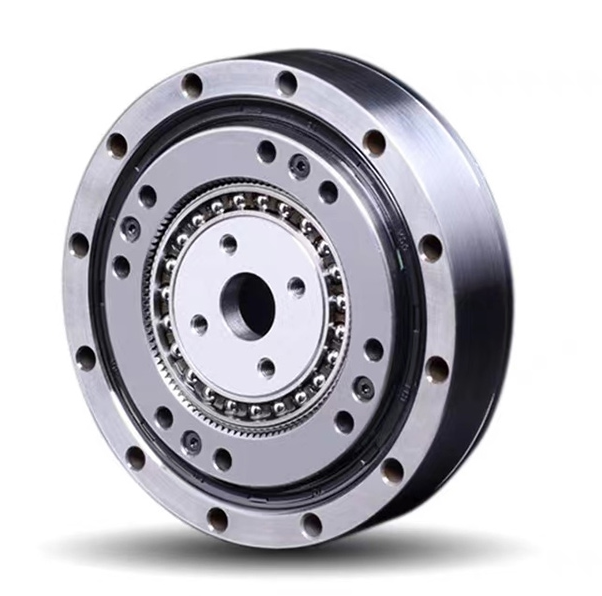 | 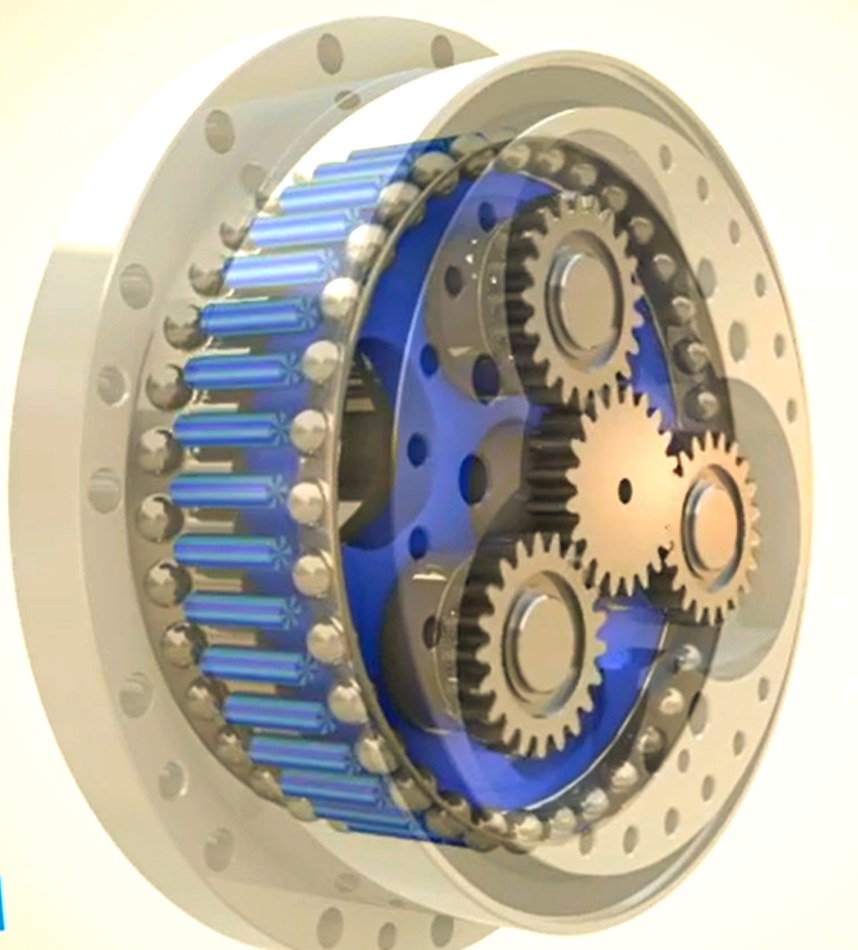 |
Reducers boost torque output and enhance precision by converting high-speed, low-torque motor rotation into low-speed, high-torque joint motion. Common types include:
- Harmonic Drives: Compact, near-zero backlash; preferred for collaborative/humanoid robots.
- RV Reducers: High rigidity, extended lifespan; used in heavy-duty industrial joints.
- Planetary Gearboxes: Cost-effective, space-saving; suited for medium-load scenarios.
- Ball Screws: For linear-motion applications.
Humanoid Robot Integration:
Humanoids (>40 joints) demand ultra-compact, high-power-density designs. Harmonic drives excel here, offering superior transmission ratios and precision in confined spaces—enabling delicate tasks where planetary reducers fall short.
3. Encoders & Sensors
Encoders enable closed-loop control by detecting position, angle, and speed. Types include:
- By function: Incremental vs. absolute encoders.
- By sensing: Optical (high precision) vs. magnetic (compact, contamination-resistant).
Advanced Capabilities:
- High-resolution models (e.g., IC-Haus MU series with 20-bit resolution) support precision servo control. OTV sensing could offer the solution with precision 2 track magnetic encoder disc.
- Integrated temperature, torque, and current sensors enable force control, thermal protection, and AI-driven adjustments.
- Key specs: Resolution (≥16-bit), bandwidth, noise immunity, reliability.

4. Controller & Driver (Intelligence Hub)
This “brain” of the module processes commands, sensor data, and drives the motor. Modern designs feature:
- Embedded servo drivers with position/velocity/torque control modes.
- Protections against shorts, overheating, and overcurrent.
- Support for CANopen, EtherCAT, RS485, and other industrial protocols.
- Advanced logic: FOC algorithms, disturbance rejection, AI tuning, force control.
- Emerging tech: RISC-V/edge-AI chips for real-time intelligent control.
5. Structural Components & Thermal Management
The housing protects internal parts, connects joints, and bears loads. Critical considerations:
- Materials: High-strength aluminum/magnesium alloys, carbon fiber composites.
- Thermal Design: Air/liquid cooling or heat pipes for stability.
- Durability: IP54/IP65 ratings for dust/water resistance in industrial settings.
Evolutionary Trends in Joint Modules
1. Full Integration: From Components to Edge Intelligence
Future modules will merge all subsystems into plug-and-play units with embedded control, communication, and diagnostics—reducing wiring, boosting reliability, and enabling distributed intelligence.
2. Advanced Materials: Lightweighting & Biomimetics
Carbon fiber, engineered plastics, and composites replace metals to cut weight while maintaining strength. Flexible, tendon-like structures are emerging for human-like movement and interaction.
3. Direct Drive: Precision Without Gears
High-torque-density motors eliminate reducers, offering near-zero backlash, faster response, and lower noise. Gaining traction in collaborative/service robots despite higher initial costs.
4. Force-Sensing & Multimodal Perception
Moving beyond position control, modules now integrate force, vibration, and thermal sensing. Combined with edge AI, this enables “human-like” adaptability, safety, and autonomous decision-making.
5. Standardization & Platformization
Unified interfaces, protocols, and mounting standards are reducing customization needs. This shift accelerates deployment across industries—from industrial arms to medical/rehabilitation robots—through modular, ecosystem-driven solutions.